A guest lecture on coding agents architecture
Just a couple of days after my talk at PyCon Dublin, I gave another talk in a Celtic destination: Rennes, France.
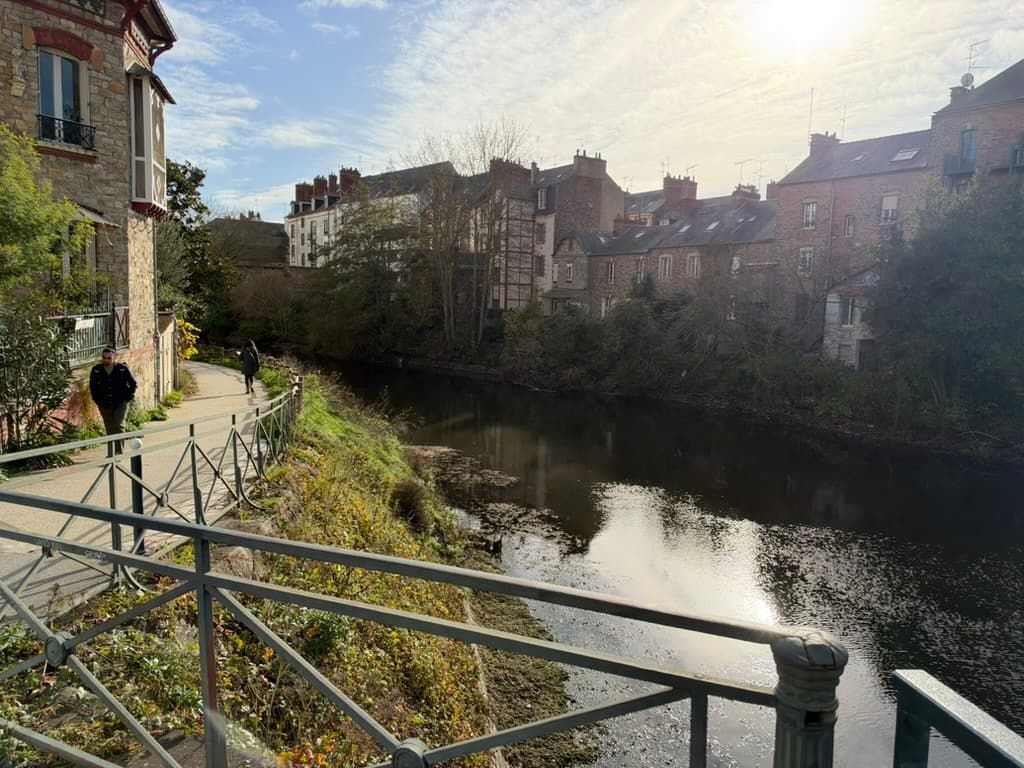
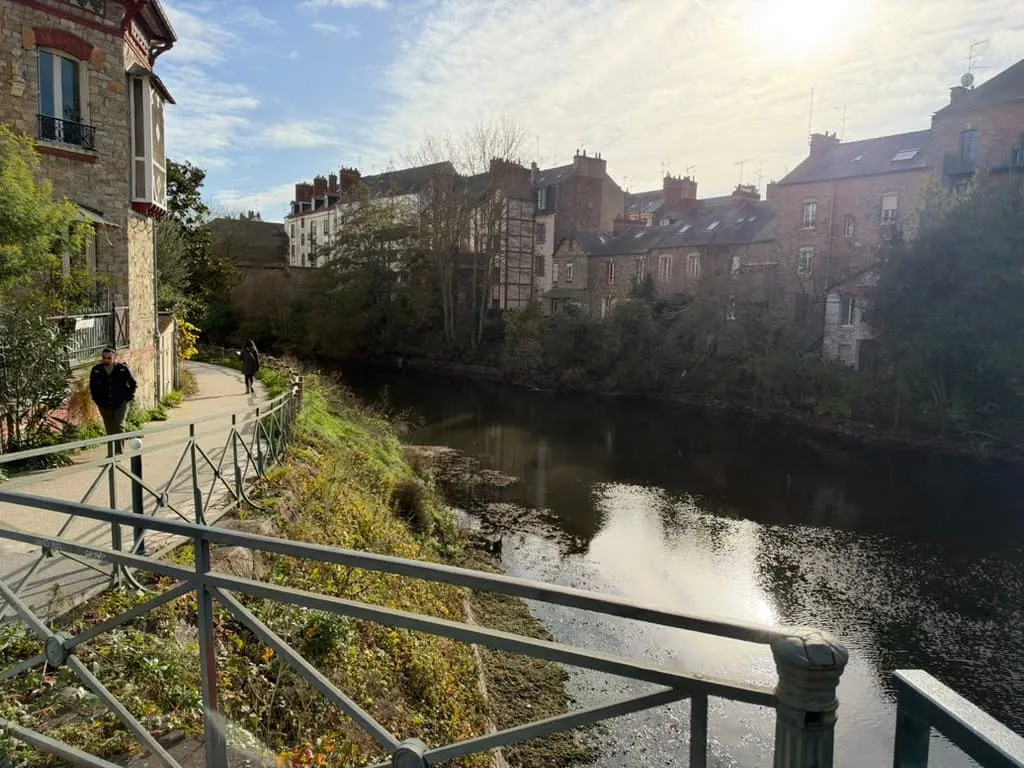
This was my first time in Brittany, and I left the city with a very warm feeling. The autumn leaves framed the tide of the Vilaine River, and the music in the bars and coffee shops leaned more toward folk than in the rest of France — at least based on what I saw during my two days there.
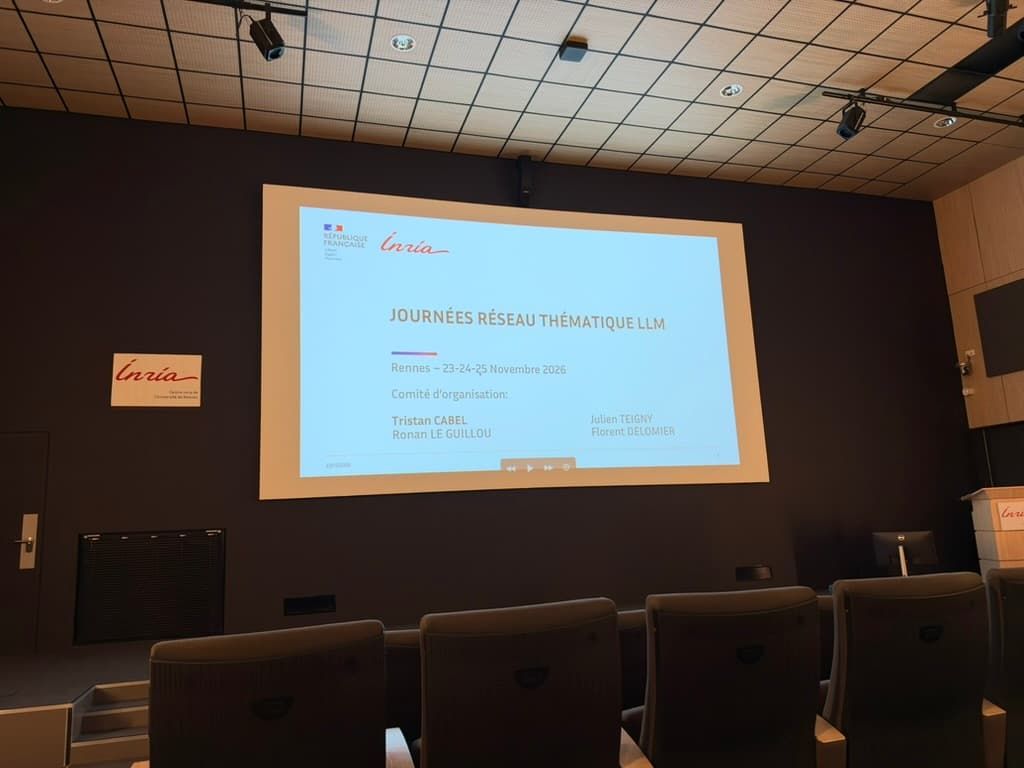
INRIA is the National Institute for Research in Digital Science and Technology. Its work is rooted in computer science and applied mathematics, and many of its research teams operate jointly with French universities. I had the opportunity to talk with engineers and researchers about their work and how they feel their jobs are changing.
I talked with about 200 people about their work. The most painful part of working with coding agents is feeling robbed of the learning process. We used to learn every day: implementing a new feature meant learning a new library, understanding a new algorithm, or solving a new problem. Now we prompt Claude to do that for us.
From what I could gather, my talk touched a sweet spot with the audience. I had planned to talk about coding-agent architectures, but after hearing how they felt about their jobs, I set out to show that this is not the end of learning — we just need to aim our learning efforts in a different direction. There are so many new fields emerging before our eyes. There is no longer much need to learn how React components work or how to make Typescript types work in Next.js. Instead, we can learn a great deal — and contribute a great deal — at the growing intersection of machine learning and software engineering.
I introduced the Hugging Face Hub, showed how to run local models and benchmark different open-weight models on their own tasks, and explained the architecture behind modern coding agents. Throughout it all, I emphasized that what I was sharing was only the beginning. There are many things to learn, many things to break, and many things to improve.
Most of the things I shared did not exist just one year ago. Some did not exist last month. And the barrier to entry in this field is as low as it can get. You do not need a PhD to work on this. I hope I helped the INRIA engineers get closer to a point where they can start experimenting with their own tools, breaking things, and solving problems — in other words, what engineering is about.
Based on what I could gather at the end of the talk, the team was highly motivated to learn more in this direction. Of course, there are still many things to figure out in the SDLC and in the day-to-day work of a software engineer. But as we learn how to produce reliable applications without becoming “meat proxies” — whether by approximating a software factory or by clearly defining the layer of abstraction we will program on — there is still plenty of uncharted territory in this growing field. We need explorers to shed light on it.
Engineering is still about learning every day and solving problems. We still need people to do that — more than ever.